I get a lot of calls on properties where the buyer says, "Rich, this is the one." The price is great and it looks good in the photos. But once we dig into the details that don't show up in the listing photos or description, I sometimes have to tell them: "I wouldn't touch this one. Let's keep moving and find something better."
I've helped a lot of clients buy and sell in Ocean City, MD and coastal Delaware. These are the five types of homes I'd personally walk away from, plus the few exceptions where I'd change my mind. No fluff, just my honest opinion.
Prefer to watch? Here's the full video:

Quick list: 5 homes I'd never buy at the beach
- A condo building in the middle of major structural work and special assessments
- A stick-built home on a land lease
- A historic home (100+ years old)
- An older, low-elevation home in a flood-prone area
- A unit in a three-season condo building
1. A condo building in the middle of major structural work
I like condos, and they can be a great investment in Ocean City. But if the building is in the middle of major structural work, like concrete repairs or exterior waterproofing, I may advise my client to walk away.
Financing gets harder. A lot of the bigger banks won't lend on a building with major work underway. You may still find financing, often through a local community bank, but the terms can change. That might mean more money down or a higher rate than you planned for.
Special assessments can grow. Even well-run buildings have special assessments. The problem is these projects often run over budget. Say it's supposed to be a $10,000 special assessment per owner. By year three, after some change orders, it could be $13,000 or more. Once contractors open things up, they sometimes find a can of worms.
There are just too many unknowns you can't control. I'd rather you find a building in better shape, where you can review the reserve study and financials and know what you're getting into. That matters even more if you plan to rent it out, because surprise costs throw off your numbers.
Real example: why I told my buyer to walk away
Earlier this year, I advised a buyer client to walk away from a condo purchase. The association had several major projects going on at once:
- Exterior concrete work (cracks, spalling and waterproofing)
- Balcony work
- Pool refinishing
- Elevator replacement
The special assessment was already more than $27,000, and it looked like more was in the pipeline. On top of that, there were no reserves. The association had been kicking the can down the road, so to speak.
To be clear, there's nothing wrong with buying in a building that has some work going on or coming up. Here's what I look for:
- The association is following its reserve study plan. That tells you the work was planned for, not a surprise.
- Any special assessment is handled fairly in the deal. If one is in play, we work it out in the purchase terms so it's fair for both buyer and seller.
- Your lender can still approve the loan. Check this early, because major structural work can knock some lenders out.
This building just had too many moving parts at the same time, and the association was a mess at that point. The good news? Later this year, my client found a perfect condo in a community they'd really wanted from the start. Walking away was the right move.
2. A stick-built home on a land lease
With a land lease, you own the house but not the ground under it. You pay rent on the lot instead. You see this a lot on the Delaware side in Sussex County, and not just in mobile home parks. Some communities with great amenities and a mix of townhomes, condos and single-family homes are on leased land.
I prefer fee simple, which means you own the land. For me, much of a property's value and appreciation comes from the land and its location. If you're putting money into a stick-built home but don't own the dirt under it, I usually advise against it.
The purchase price on these can be a good amount lower than a comparable fee simple home. That's why I get so many calls on them. But there are downsides:
- Harder to finance. Some bigger banks won't lend on them, and those that do may want more money down or a higher rate.
- Smaller buyer pool at resale. Financing hurdles for your future buyer make the home harder to sell.
The exception: I'm not totally against a manufactured home in a mobile home park. If you want a beach place for around $150,000 instead of $450,000, it can get you into a great location. Just go in knowing the lot rent is a fixed expense and it won't appreciate like a stick-built home. Everybody's situation is different. But if you're in a position to invest, owning the land is the better long-term play.
3. A historic home (100+ years old)
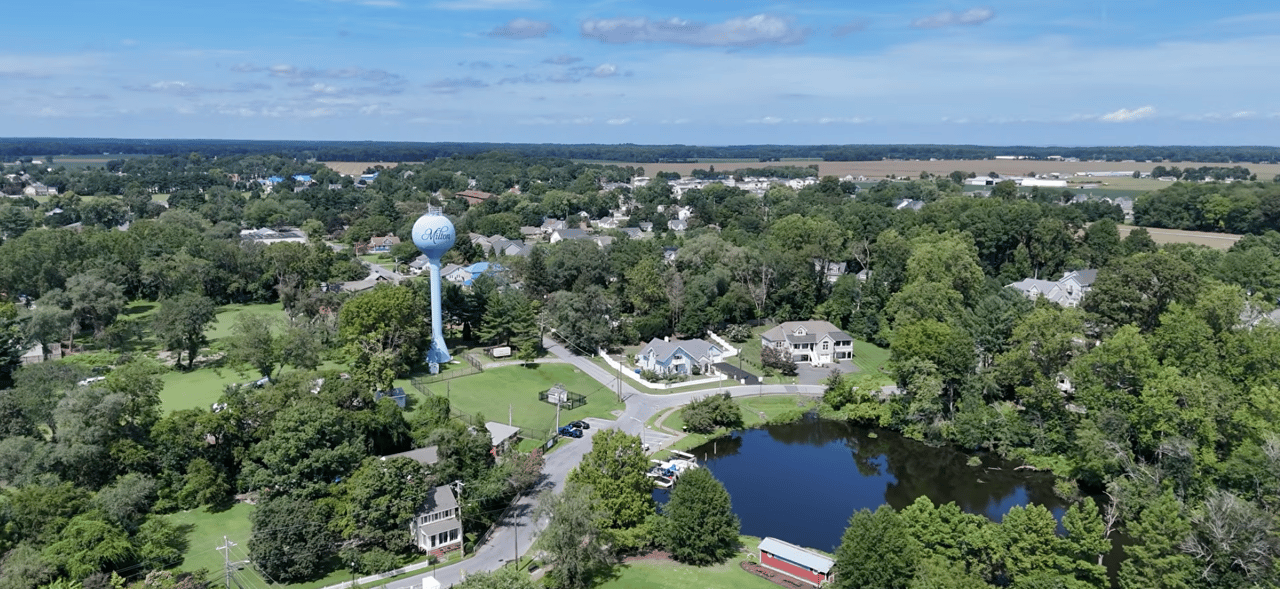
We have plenty of 100-plus-year-old homes in the area, especially in Lewes and Milton, Delaware. I love the character: wraparound porches, a secret room, that little third-floor bonus room you climb all the way up to. But here's what comes with them.
- Old plumbing. Lead or galvanized pipes are common. Replumbing a 3,000+ square foot historic home gets very expensive.
- Old wiring. Knob-and-tube wiring shows up a lot. Many homes have had updates over the years, but often it's patchwork here and there.
- Asbestos. It can turn up in pipe insulation, roofing, tiles and flooring. If you renovate those areas, you need a certified asbestos removal company, and that adds up fast.
- Higher renovation costs. Overall, renovating a historic home usually costs a lot more than a newer one.
- High heating and cooling bills. These homes are usually large and less energy efficient. Many still run oil-fired hot water baseboard heat, and heating and cooling that much space gets pricey.
If you love the charm, just go in with eyes wide open and a big renovation budget. For most of my clients, the hidden costs aren't worth it.
4. An older, low-elevation home in a flood-prone area
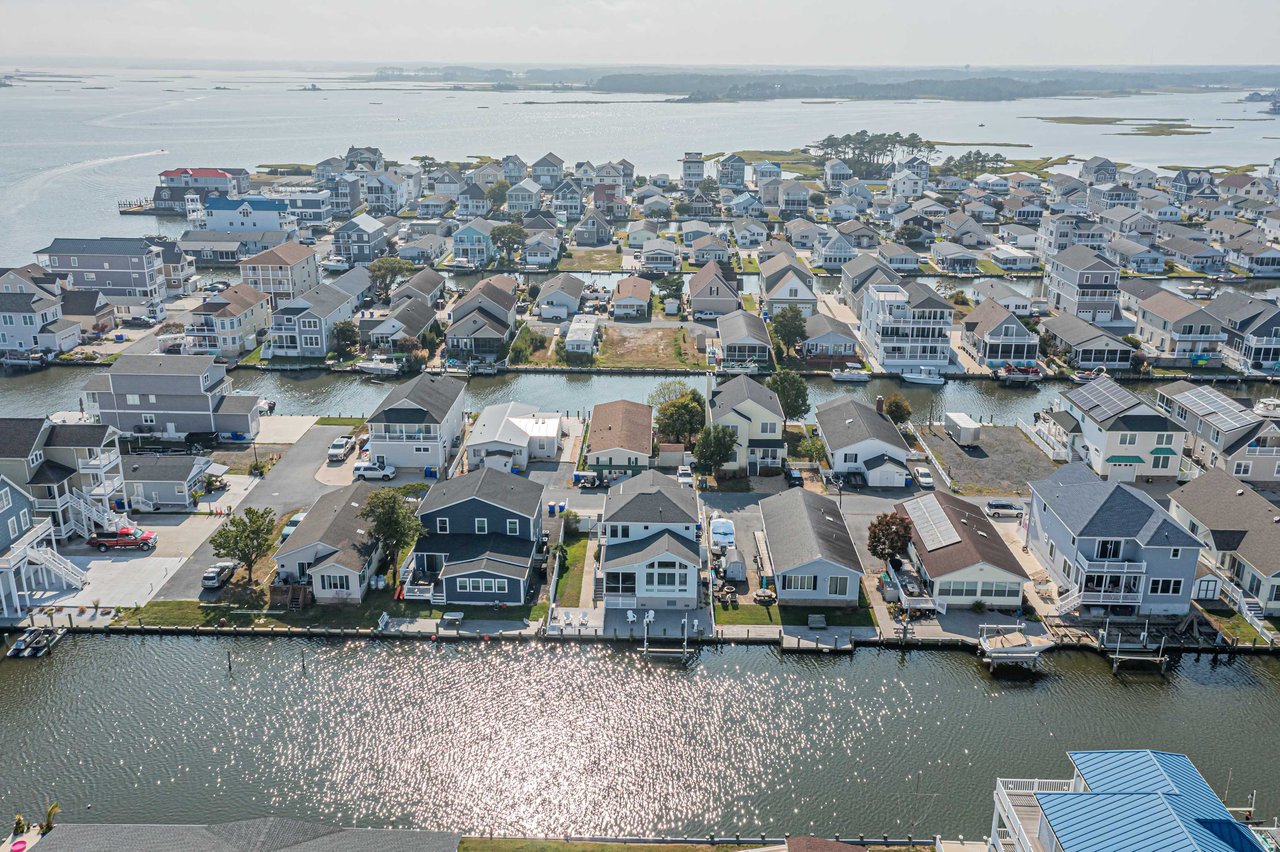
We're in a coastal area, and with every waterfront client I've helped, flood insurance and flooding come up. Some zones are much worse than others. A home right on the water can sit outside a FEMA flood zone if the ground is high enough. Another home blocks inland can sit in a 100-year flood zone.
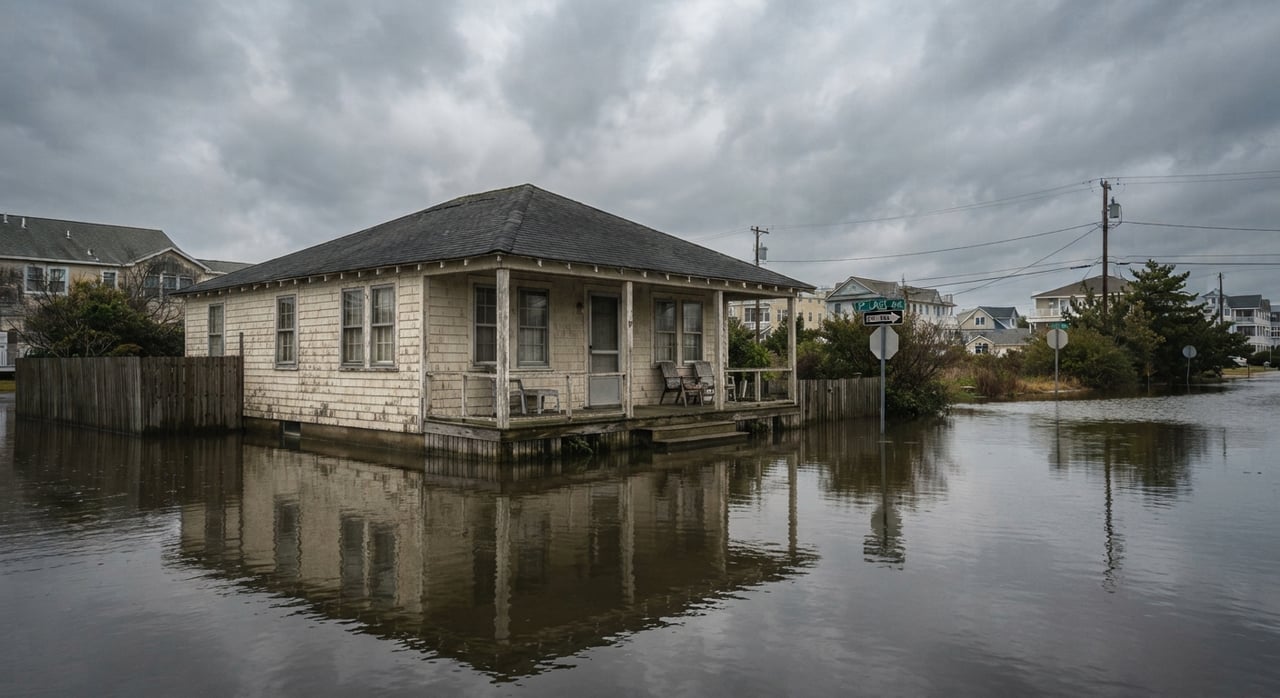
Take downtown Ocean City. A long day of rain can leave three to four inches of standing water in the streets, creeping into yards. Many older homes there were built low. If a hurricane or nor'easter pushes the water high enough, you're flooded out, and that's a lot of stress.
Flood insurance can triple. An average flood policy in most areas runs about $100 to $150 a month, roughly $1,700 a year. That's not bad. But on an older, low home in a flood-prone spot, expect it to be around triple that or more.
Watch out for the 50% rule. Under the FEMA substantial improvement rule, if a renovation or storm repair costs more than half the structure's value, you may have to bring the whole house up to current code. That can include raising it, which is very expensive.
I get why these are tempting. The price is good, the inside may look great, and you can walk to the boardwalk, bars and restaurants. But between the insurance, the risk and the stress, I don't think it's worth it.
The exception: If the house has already been raised, or the old house was torn down and replaced with a newer structure at proper elevation, I might change my mind. In a lot of those downtown spots, though, a condo is the better choice.
5. A unit in a three-season condo building
A three-season building is almost always a smaller condo building, maybe four to six units, usually with older plumbing. It shuts down for the winter, and the plumbing gets winterized so the pipes don't freeze. As an owner, you can't use your unit during those months.
Price-wise, these are usually a much better deal than a year-round building, so I get calls on them all the time. Here's the catch:
- Financing is tougher. Some banks won't lend on them, especially during the months the building is shut down. The ones that do may offer less attractive terms.
- Inspections are hard. With no water in the building, you can't get a proper inspection over the winter. In spring and summer, the units are often booked with rentals during peak season, so they're hard to get into.
- You're locked out in the off-season. You might want to come down for Christmas or the winter events in Ocean City, and you can't.
- Smaller buyer pool at resale. That makes it harder to sell, and your return may not match a year-round building.
If you love the building, the location and the unit, it could still be a good investment. You just have to be okay with being locked out every winter. For those reasons, I'd personally walk away and look for something else.
Frequently asked questions
What is a three-season condo in Ocean City, MD? It's a condo building, usually small, that shuts down and winterizes its plumbing for the winter months. Owners can't use their units while it's closed.
Are land lease homes a good investment in Sussex County, DE? Usually not for a stick-built home. You don't own the land, which drives much of the appreciation, and financing and resale are harder. A low-cost manufactured home can make sense if you plan for the lot rent.
What is a special assessment on a condo? It's an extra charge to each unit owner to pay for major work, like concrete repairs or waterproofing. On big projects it can grow if the work runs over budget.
What is the 50% rule for flood zone homes? If a renovation or storm repair costs more than half the structure's value, you may have to bring the whole house up to current code. That can include raising the home.
Can I get a mortgage on a condo with special assessments or structural work? Often yes, but many larger banks won't lend on it. A local community bank may, sometimes with more money down or a higher rate.
Let's connect and keep in touch.
I'm Rich Price, a local Realtor in coastal Maryland and Delaware with Live By OC brokered by Real Broker, LLC. Here's how to stay connected:
- Subscribe on YouTube for weekly videos on Ocean City and coastal Delaware real estate: Subscribe here
- Join my email list for local market updates and buyer tips: Sign up here
- Reach out directly if you're thinking about buying or selling. It's never too early to have a conversation: Contact Rich